


Ensure product safety with custom molded pulp by selecting sustainable materials, designing for durability, and implementing rigorous quality assurance tests.
Understanding Custom Molded Pulp Materials
Exploring the essentials of custom molded pulp, focusing on the variety of fibers it uses and the crucial role of sustainable, non-toxic materials.
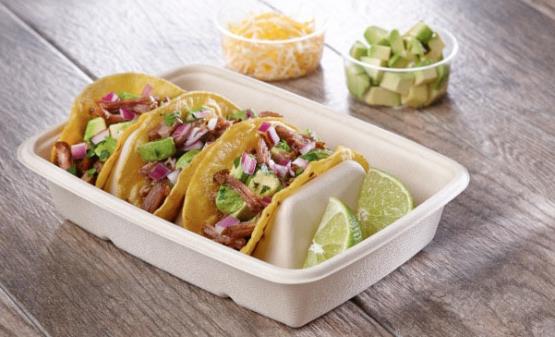
Types of Fibers Used in Molded Pulp
Custom molded pulp uses a range of natural fibers, each chosen for its unique properties like strength and environmental impact.
Recycled Paperboard and Newspapers: These are popular for their ready availability and recyclability, helping reduce waste.
Agricultural By-products: This category includes sugarcane bagasse, wheat straw, and bamboo. These fibers are sustainable, needing less water and energy for processing.
Virgin Wood Pulp: Known for its strength and smooth finish, this is for products needing durability. It comes from sustainably managed forests, minimizing environmental harm.
The Role of Sustainable and Non-Toxic Materials
Sustainability and safety guide the production of custom molded pulp, ensuring environmental care and consumer safety.
Sustainable Sourcing: This practice uses renewable resources or waste products, cutting down the carbon footprint and supporting a circular economy.
Non-Toxic Processes: These processes avoid harmful chemicals, making molded pulp products safe for various uses, including food packaging and electronics.
Biodegradability: Molded pulp products naturally decompose within 90 to 180 days in the right conditions, reducing landfill waste.
Choosing the right materials and practices boosts the product’s appeal and aligns with trends towards environmental sustainability and health.
Enhancing Product Safety Through Design
Building Structural Integrity
Designing for structural integrity involves selecting materials and construction methods that can withstand everyday use and potential stressors. This might mean opting for reinforced corners in packaging, using high-density materials that resist crushing, or incorporating flexible yet durable materials that can absorb shocks without breaking. For example, using polycarbonate materials can increase a product’s resistance to impacts by up to 50% compared to standard plastics.
Key insight: Choosing robust materials and construction techniques can significantly enhance a product’s durability and resistance to damage.
Incorporating Protective Features for Delicate Items
When designing for delicate items, incorporating protective features is paramount. This includes using soft linings like foam or felt that can prevent scratches and absorb shocks, designing clasps that hold items securely in place, or employing air-cushion technology for added impact protection. Implementing these features can reduce the risk of damage during transit by up to 70%, ensuring that delicate items arrive in pristine condition.
Manufacturing Process and Quality Control for Custom Molded Pulp
Delving into the steps to ensure every custom molded pulp product meets the highest standards of consistency and strength, alongside the implementation of stringent quality assurance protocols.

Ensuring Consistency and Strength in Production
The manufacturing process for custom molded pulp products involves several key steps, each designed to ensure the final product is both consistent in quality and robust in its application.
Material Selection: Starting with high-quality, sustainable fibers, manufacturers choose materials based on the product’s required strength and durability. Recycled paperboard, agricultural by-products, and virgin wood pulp are common choices.
Pulping and Molding: The selected materials undergo pulping, where they are mixed with water to create a slurry. This slurry is then molded into the desired shape through vacuum forming or pressure molding, techniques that ensure uniform density and strength.
Drying and Finishing: After molding, the products are dried to remove moisture, which solidifies their structure. Finishing touches, such as trimming and adding coatings for water resistance, are applied to meet specific customer needs.
Implementing Rigorous Quality Assurance Tests
Quality assurance (QA) is critical in the production of custom molded pulp, involving a series of tests to verify the product’s durability, safety, and environmental compliance.
Strength and Durability Tests: These tests measure the product’s resistance to impact, compression, and moisture, ensuring it can withstand real-world use without failing.
Safety and Compliance Checks: QA teams also verify that products are free from harmful chemicals and toxins, aligning with safety standards for direct contact with food or sensitive products. Additionally, compliance with environmental certifications like FSC (Forest Stewardship Council) is confirmed.
Continuous Monitoring: Beyond initial testing, continuous monitoring during production catches any deviations early, allowing for immediate corrections. This ongoing vigilance ensures that every batch remains consistent with the established quality standards.
Ensuring Compliance: A Dual Focus on Safety and Sustainability
Adhering to Industry Standards and Certifications
Meeting industry standards and obtaining relevant certifications are essential steps in product development. Standards such as ISO 9001 for quality management and ISO 14001 for environmental management guide companies in maintaining high safety and environmental practices.
Key insight: Certifications like ISO 9001 and CE mark are vital for product compliance, enhancing trust and market access.
Navigating Global Environmental Safety Guidelines
Global environmental safety guidelines, such as those outlined in the Basel Convention or the RoHS Directive, aim to regulate the production and disposal of hazardous materials. Adhering to these guidelines not only helps protect the environment but also ensures products are safe for consumer use. Compliance might involve eliminating certain toxic materials from manufacturing processes or adopting more sustainable production techniques.